
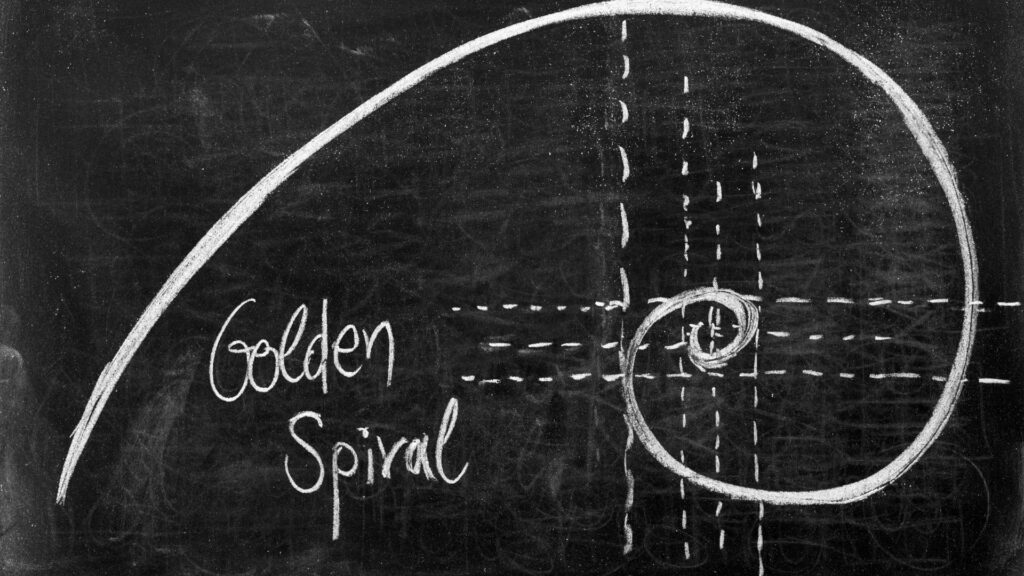
Fibonacci, a concept rooted in a sequence discovered by Leonardo Fibonacci, is fascinating for mathematicians and traders alike. The Fibonacci sequence, where each number is the sum of the two preceding ones, is more than just a mathematical curiosity; it underpins the Golden Ratio, approximately 1.618. This ratio, symbolized by Phi (Φ), manifests in nature, art, and architecture, and intriguingly, in financial markets.
Fibonacci Retracements in Trading
In the trading world, Fibonacci retracement levels help identify potential reversal points. These levels, calculated by dividing the vertical distance between a significant high and low by key Fibonacci ratios (23.6%, 38.2%, 50%, 61.8%, 78.6%, 88.7% and 100%), highlight areas of support and resistance. Traders utilize these levels to predict where price movements might stall or reverse, providing a framework for strategic decision-making.
For example, after a notable price move, the market often retraces a portion of that movement before continuing its original direction. By analyzing these retracement levels, traders can determine optimal entry and exit points, enhancing their trading strategies.
Fibonacci Extensions and Projections
Fibonacci’s utility extends beyond retracements. Traders also apply Fibonacci extensions and projections to estimate future price targets. These tools project the Fibonacci sequence beyond the current price action, helping forecast potential trend continuations. Common extension levels include 138.2%, 150%, and 161.8%, offering traders a roadmap for setting profit targets and managing risk effectively.
Psychological Impact of Fibonacci
The effectiveness of Fibonacci levels in trading is partly due to their psychological impact. Many traders place significant importance on these levels, leading to self-fulfilling prophecies. When numerous market participants focus on the same Fibonacci levels, these points often become pivotal, influencing market behavior.
Additionally, Fibonacci’s presence in nature and human behavior adds a layer of universality, suggesting that market movements might adhere to a natural order. This concept resonates with traders, providing a sense of structure in the unpredictable financial markets.
In terms of using Fibonacci tools with the Elliott Wave method, I believe that Elliott Wave does not work without applying the relevant Fibonacci guidelines. We count the waves to understand which Fibonacci retracements or extensions are relevant.
If you are interested in tutorials about how to use the Fibonacci tools to analyse markets, feel free to join the Silver or Gold Memberships, as these include hours of live stream tutorials.
Conclusion
Fibonacci combines mathematical precision with psychological insight, making it a vital tool for traders. Whether you’re a novice or a seasoned trader, incorporating Fibonacci principles can enhance your market analysis and trading performance.
For a deeper dive into Fibonacci and its applications, check out the full article on our website.
